
CLOSE
  • Mechanical Electrical and Plumbing
  • Kitchen and Bath
  • Dummy
  • Flooring Systems Europe
  • Construction Management APAC
  • Construction Management
  • Landscaping Canada
  • Construction Coating Europe
  • Construction Consulting Europe
  • Mechanical Contractor Canada
  • Mould Remediation and Testing Europe
  • Swimming Pool Construction APAC
  • Building Sealing Solutions Europe
  • Commercial Contractors APAC
  • Decking Canada
  • MEP APAC
  • Construction Saudi Arabia
  • Construction Law APAC
  • Outdoor Construction
  • Foundation Construction Canada
  • MEP Canada
  • Apartment and Condominium Contractors Canada
  • Cold Storage Construction APAC
  • Precast Concrete Europe
  • Construction Staffing Europe
  • Pre-Construction Services
  • Buinding Restoration and Maintenance Europe
  • Systems Europe
  • Structures Europe
  • Professional Services Europe
  • Systems Canada
  • Structures Canada
  • Professional Services Canada
  • Roofing and Siding Systems Canada
  • Systems
  • Structures
  • Professional Services
  • Construction Forensic and Owners Representative Europe
  • Flooring System APAC
  • Modular and Prefab Construction Europe
  • Construction Interiors Europe
  • Outdoor Construction Europe
  • Pre-Construction Services Europe
  • Building Restoration and Maintenance Canada
  • Residential Construction
  • Concrete Canada
  • Construction Cladding APAC
  • Concretes, Aggregates and Construction Materials APAC
  • Concretes, Aggregates and Materials Europe
  • Commercial Contractors Europe
  • Safety and Compliance Europe
  • Safety and Compliance APAC
  • Concretes, Aggregates and Materials
  • Architecture and Design Services
  • Construction Bidding and Auctions
  • Roofing and Siding Systems Europe
  • Architectural Glass APAC
  • Startups APAC
  • Forensic and Owners Representative
  • Flooring System
  • Waterproofing APAC
  • Wall Systems
  • Construction Demolition and Recycling APAC
  • Construction Engineering Services
  • Modular and Prefab Construction
  • Architectural Glass
  • Construction MENA
  • Construction Demolition and Recycling Europe
  • Construction Interiors
  • Kitchen and Bath Europe
  • Steel Building APAC
  • HVAC
  • Doors and windows
  • Roofing and Siding Systems
  • Commercial Contractors
  • Scaffolding Canada
  • Swimming Pool Construction Canada
  • Construction Management Canada
  • Cold Storage Construction Canada
  • Insulation, Coating and Waterproofing
  • Building Information Modeling APAC
  • Architectural Glass Canada
  • Construction Law
  • Sustainable Construction APAC
  • Doors and Windows Canada
  • Building Restoration and Maintenance
  • Specialty Construction Europe
  • Specialty Construction
  • Construction Engineering Canada
  • Construction Engineering MENA
  • Modular Construction Canada
  • Modular Construction APAC
  • Construction Marketing
  • Construction Latam
  • Workforce Management and Staffing
  • Roofing Systems APAC
  • Construction Consulting
  • Steel Building Europe
Skip to: Curated Story Group 1
Construction Business Review
US
EUROPE
APAC
CANADA
MENA
LATAM
AUSTRALIA
About Us Conference Advertise With Us
  • Europe
    • US
    • EUROPE
    • CANADA
    • AUSTRALIA
  • Professional Services
    Buinding Restoration and Maintenance
    Construction Consulting
    Construction Forensic and Owners Representative
    Construction Staffing
    Mould Remediation and Testing
    Pre-Construction Services
    Safety and Compliance
  • Structures
    Building Sealing Solutions
    Commercial Contractors
    Construction Coating
    Construction Demolition and Recycling
    Construction Interiors
    Modular and Prefab Construction
    Outdoor Construction
    Precast Concrete
    Specialty Construction
    Steel Building
  • Systems
    Concretes, Aggregates and Materials
    Flooring Systems
    Kitchen and Bath
    Roofing and Siding Systems
  • Leadership Perspectives
  • Insights
  • News

Thank you for Subscribing to Construction Business Review Weekly Brief

  • Home
  • Leadership Perspectives

A featured contribution from Leadership Perspectives: a curated forum reserved for leaders nominated by our subscribers and vetted by the Construction Business Review Advisory Board.

AECOM

Nolan Harper, Manager of Environmental Officer

How MEP Systems Shape Sustainability
Nolan Harper

Nolan Harper

MEP systems enhance building energy performance and sustainability and reduce operational costs. Green building certifications promote high-efficiency HVAC systems and renewable energy, with government incentives driving adoption.


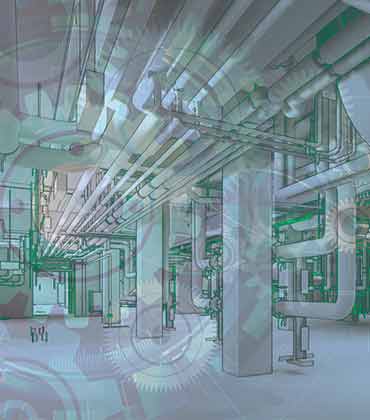
Mechanical, Electrical, and Plumbing (MEP) systems are the foundation of any building, directly influencing its energy performance. Therefore, it is imperative to prioritize integrating energy-efficient MEP systems to advance broader sustainability objectives effectively.


The significance of energy-efficient MEP systems lies in their ability to mitigate various operational and environmental challenges. By minimizing energy consumption in critical functions such as heating, cooling, ventilation, and lighting, efficient MEP systems contribute to reduced operational costs and a diminished carbon footprint. Furthermore, optimizing these systems ensures enhanced occupant comfort by maintaining optimal temperature, humidity, and air quality, fostering improved well-being and productivity. Beyond immediate operational benefits, adopting energy-efficient MEP systems elevates the asset value of buildings. Structures with demonstrably lower energy consumption tend to attract higher rental rates and achieve elevated property values. Notably, the environmental impact is significantly reduced as lower energy usage reduces greenhouse gas emissions and diminishes resource depletion. In summary, implementing energy-efficient MEP systems enhances operational efficiency and aligns with broader sustainability goals, making it a prudent and responsible choice in contemporary building practices.


Green Building Certifications and Their Impact


Green building certifications such as LEED (Leadership in Energy and Environmental Design) and WELL offer robust frameworks for promoting sustainable construction practices. These programs establish clear benchmarks for energy efficiency within MEP systems, advocating the adoption of cutting-edge technologies. Notable examples include high-efficiency HVAC systems, incorporating features like variable-speed drives, energy recovery ventilators, and geothermal heat pumps. Additionally, the certifications emphasize LED lighting, demonstrating significant energy savings compared to traditional incandescent bulbs. Smart building controls are also encouraged, utilizing automated systems to optimize energy consumption based on occupancy levels and environmental conditions. Furthermore, the certifications promote the integration of renewable energy sources such as solar panels and wind turbines, aiming to reduce dependence on fossil fuels and contribute to a more sustainable built environment.


These certifications significantly influence project outcomes, notably contributing to improved energy performance by imposing more stringent energy efficiency standards than conventional codes. Furthermore, they augment the marketability of structures, drawing environmentally conscious tenants and investors seeking sustainable real estate options. Additionally, these certifications foster increased innovation by promoting the adoption of state-of-the-art green technologies within construction and design practices. Notably, their impact extends beyond individual projects, as certified buildings are pivotal in reducing the overall environmental footprint, aligning with broader sustainability objectives.


Strategies for Incorporating Renewable Energy Sources


In pursuing a net-zero future, integrating renewable energy sources within MEP systems emerges as an imperative. Several vital strategies play a pivotal role in advancing this objective. On-site solar photovoltaics (PV) stand as a fundamental approach, enabling the direct generation of electricity on-site and thereby diminishing dependence on the conventional grid. Wind turbines, particularly applicable in windy locations, emerge as another essential component, contributing significantly to power generation. Geothermal energy harnesses the Earth's internal heat for heating and cooling, offering a sustainable solution. Furthermore, bioenergy, derived from renewable biomass such as wood chips, presents a viable option for heating and power generation, aligning with achieving a sustainable and environmentally conscious MEP infrastructure.


Latest Developments


Recent advancements in the energy sector highlight several vital developments. Emerging technologies such as Building-Integrated Photovoltaics (BIPV), microgrids, and advanced storage solutions garner significant attention, signifying a shift towards more sustainable and innovative energy solutions. Concurrently, government incentives and regulations are pivotal in expediting the adoption of renewable energy sources, demonstrating a commitment to environmental sustainability. Additionally, the financial landscape of the renewable energy sector is witnessing positive transformations, with ongoing cost reductions in renewable technologies enhancing their competitiveness in the market. These combined factors underscore a promising trajectory for the renewable energy sector, positioning it as a critical player in the future of global energy.


By emphasizing the adoption of energy-efficient MEP systems, incorporating green building certifications, and incorporating renewable energy sources, the built environment can be a pivotal catalyst for sustainability. This comprehensive strategy aligns with environmental stewardship principles and demonstrates economic viability, laying the groundwork for a more sustainable future.


The articles from these contributors are based on their personal expertise and viewpoints, and do not necessarily reflect the opinions of their employers or affiliated organizations.
The Leadership Perspectives forum brings together voices shaping the construction industry. Participation is by invitation only. It features leaders who are not merely observing industry changes, but actively contributing to them through operational expertise and project execution insights.
EDITOR'S CHOICE
  • Willis Towers Watson

    Cushman & Wakefield [NYSE: CWK]

    Projects Today Come Down to Nerves of Steel and Realistic Expectations

    Jason D’Orlando, Senior Managing Director, and Michael Morehead, Senior Director, Project and Development Services - Industrial

  • Willis Towers Watson

    Walmart [NYSE: WMT]

    Navgating the Challenges and Innovations in Mega Construction Projects: Building Competent Leadership and Embracing Technological Trends

    Seth Roy, Senior Director - Design & Construction, Walmart [NYSE: WMT]

  • Willis Towers Watson

    Meritage Homes [NYSE: MTH]

    Act Now to Address Aging Workforce

    Poli Peters, VP of Operations

  • Willis Towers Watson

    Advanced Drainage Systems [NYSE: WMS]

    Walking the sustainability walk: The case for EPR

    Brian King, EVP Marketing, Product Management and Sustainability, Advanced Drainage Systems, Inc. [NYSE: WMS]

Copyright © 2026 Construction Business Review All rights reserved. |  Subscribe |  Newsletter |  Sitemap |  About us|  Editorial Policy|  Feedback Policy|  Methodologyfollow on linkedin
This content is copyright protected

However, if you would like to share the information in this article, you may use the link below:

https://mechanical-electrical-and-plumbing.constructionbusinessrevieweurope.com/leadership-perspective/how-mep-systems-shape-sustainability-nwid-1409.html

We use cookies on this website to enhance your user experience. By clicking any link on this page you are giving your consent for us to set cookies. More info

I agree